 16 July 2026
 Share
Share
1
Planning meals from pantry staples can simplify your cooking routine, help reduce food waste, and save money. Your pantry likely holds a variety of versatile ingredients that can serve as the foundation of many tasty dishes. With a little organization and creativity, you can turn these staples into satisfying meals for any day of the week.
In this guide, we’ll explore how to effectively plan meals using pantry staples, share tips for keeping your pantry stocked, and suggest meal ideas to get you started.
Meal planning helps you avoid last-minute stress, reduces the temptation of takeout, and ensures you use up what you already have on hand. Pantry staples are often non-perishable or long-lasting items like grains, canned goods, dried beans, and spices, which give you a solid base to build meals without frequent shopping trips.
By focusing on pantry staples, you:
– Save time and money
– Reduce food waste
– Improve your cooking skills by learning to combine basic ingredients creatively
– Maintain a well-stocked kitchen ready for any meal
Before planning meals, it’s important to know what you have. Spend some time checking your pantry and making a list of:
– Grains: rice, pasta, quinoa, couscous, oats
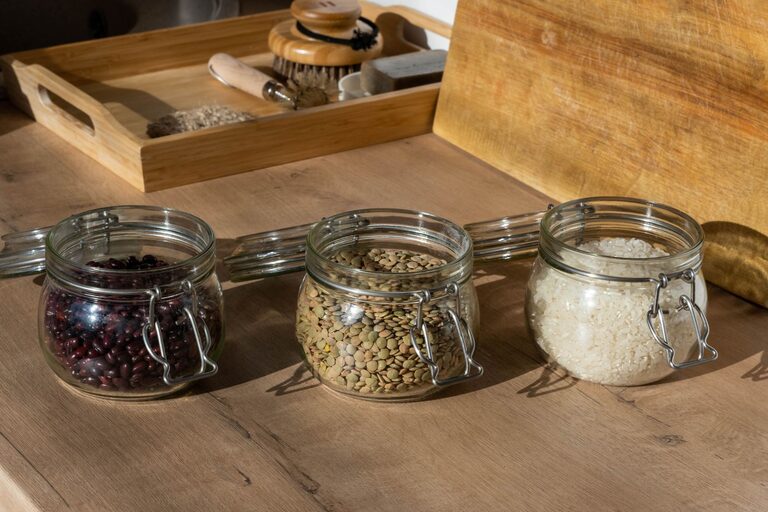
– Legumes: canned or dried beans, lentils, chickpeas
– Canned goods: tomatoes, vegetables, tuna, broth
– Baking supplies: flour, sugar, baking powder, yeast
– Spices and herbs: salt, pepper, garlic powder, chili flakes, dried basil, oregano
– Oils and vinegars: olive oil, vegetable oil, balsamic vinegar
– Other staples: nut butters, canned coconut milk, nuts, seeds
This list will be your reference when crafting meal plans, helping you spot opportunities to combine ingredients.
Most meals are built around a protein and a carbohydrate. Your pantry staples often provide both protein (beans, lentils, canned tuna) and carbs (rice, pasta, bread). Decide which items you want to focus on for the week.
For example:
– Protein options: black beans, chickpeas, canned salmon, peanut butter
– Carb options: whole wheat pasta, brown rice, instant oats, tortillas
Pairing these wisely can form the base of a balanced meal.
Your meals don’t need to be complicated. Planning simple dishes that can adapt based on what you have helps reduce decision fatigue. Some versatile meal ideas include:
Cook pasta, rice, or quinoa and toss with canned tomatoes, garlic, spices, and a protein like beans or tuna. Add any fresh or frozen vegetables you have for extra nutrition.
Combine canned beans, tomatoes, broth, and spices to create a hearty chili or stew. Use dried herbs and chili powder to add depth and flavor.
Use canned coconut milk, curry powder, dried ginger, and spices with rice or noodles for a quick curry. Stir fry canned or frozen vegetables and toss with a simple sauce made from pantry ingredients.
Use canned tuna or peanut butter with bread or tortillas. Add some crunchy veggies or pickles if available to make it more satisfying.
Flavor is key to enjoying pantry-based meals. Keep an assortment of spices, dried herbs, and condiments handy to brighten dishes. Some pantry-friendly flavor boosters include:
– Garlic and onion powder
– Dried oregano, basil, thyme, and rosemary
– Chili flakes or cayenne pepper
– Soy sauce or tamari
– Vinegars (apple cider, balsamic)
– Mustard
– Honey or maple syrup
These simple ingredients can transform a basic recipe into something memorable.
While pantry staples form the core, adding fresh or frozen produce can elevate meals. Plan to buy or use:
– Fresh vegetables like onions, carrots, bell peppers, or leafy greens
– Fresh herbs like parsley or cilantro
– Eggs or dairy if you consume them, to add protein and richness
Use these ingredients sparingly if on a tight budget or limited shopping trips.
Cooking large batches of staples like rice, beans, or sauces can save time later. Store these in airtight containers in the fridge or freezer.
For example:
– Cook a pot of brown rice to use throughout the week
– Make a big batch of tomato sauce with canned tomatoes and spices
– Prepare seasoned beans with garlic and herbs
Having these ready will make assembling meals quicker and simpler.
Here’s an example of how you might structure meals with pantry staples:
– Monday: Black bean chili with canned tomatoes and rice
– Tuesday: Tuna pasta with garlic, olive oil, and chili flakes
– Wednesday: Lentil curry with coconut milk served with quinoa
– Thursday: Chickpea salad wraps with canned chickpeas, mustard, and spices
– Friday: Vegetable stir-fry with rice and soy sauce
– Saturday: Peanut butter and banana sandwiches with fresh fruit
– Sunday: Oatmeal with nuts, honey, and dried fruit
Adjust based on what you have and your preferences.
– Regularly check expiration dates and rotate stock so older items get used first
– Stock up during sales on non-perishable staples
– Keep a list handy for essentials that need replenishing
– Organize your pantry so items are visible and easy to access
Planning meals from pantry staples is a practical and rewarding approach to home cooking. It encourages creativity, helps you save money, and reduces food waste. Start by knowing what you have, build simple meals around your staples, and add flavor with basic spices and condiments. Over time, you’ll find your pantry meal planning becomes second nature and a go-to strategy for busy days.
Give it a try next week, and enjoy the ease and satisfaction of cooking from your pantry!