
 16 July 2026
 Share
Share
1
Planning balanced meals can feel overwhelming, especially with busy schedules and ever-changing tastes. But it doesn’t have to be stressful! With a little preparation and some helpful strategies, you can enjoy nutritious, satisfying meals that fuel your body and fit your lifestyle. This guide will walk you through easy steps to plan balanced meals without the hassle, so you can focus more on enjoying your food and less on worrying about it.
Before getting into planning, let’s clarify what makes a meal balanced. A balanced meal typically includes:
– Protein: Supports muscle health and keeps you full (examples: chicken, beans, tofu)
– Carbohydrates: Provides energy (examples: whole grains, fruits, vegetables)
– Healthy Fats: Supports brain and heart health (examples: avocados, nuts, olive oil)
– Fiber: Aids digestion and keeps blood sugar stable (found in fruits, vegetables, whole grains)
– Vitamins and Minerals: Various nutrients from a variety of colorful produce
Balancing these components in your meals helps you stay energized and satisfied throughout the day.
Using easy meal templates can take the guesswork out of planning. For example:
– Breakfast: Protein + whole grain + fruit
– Lunch: Protein + veggies + grain or starch
– Dinner: Protein + vegetables + healthy fat
Templates help you mix and match ingredients you enjoy without overwhelming choices.
Meal prepping saves time and reduces daily stress. Choose one day a week to:
– Cook grains like rice, quinoa, or pasta in bulk
– Roast or steam vegetables
– Prepare proteins like grilled chicken, beans, or tofu
– Portion meals into containers for grab-and-go convenience
Having basics ready allows you to assemble meals quickly and keep variety.
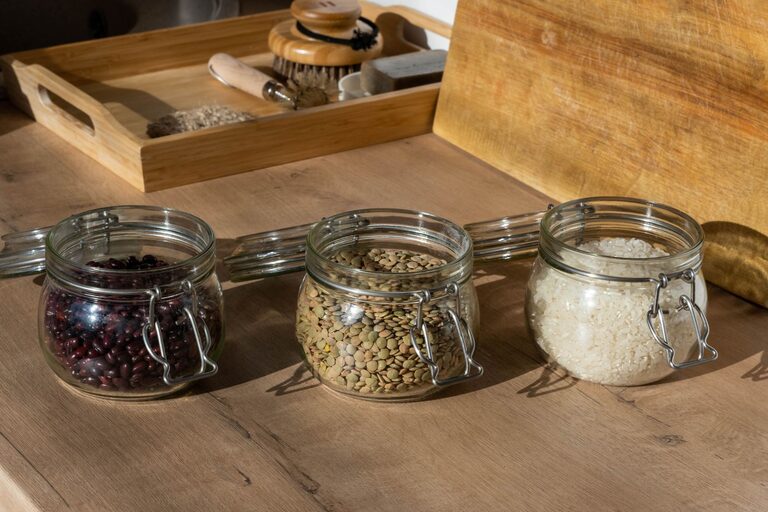
Having staple ingredients on hand makes healthy choices easier. Essentials include:
– Canned beans, lentils, and tomatoes
– Whole grain pasta, brown rice, oats
– Frozen vegetables and fruits
– Nuts, seeds, and healthy oils
– Fresh produce that stores well, like carrots, apples, and leafy greens
This way, you can throw together balanced meals even on busy days.
A simple planner helps you organize meals and grocery shopping. Write down:
– What you’ll eat each day
– Ingredients needed
– Any leftovers to repurpose
Having a plan reduces last-minute decisions and prevents unhealthy impulse choices.
Keep a list of go-to recipes that are quick and nutritious. For example:
– Stir-fry with chicken, broccoli, and brown rice
– Lentil soup with spinach and carrots
– Scrambled eggs with whole grain toast and avocado
Familiar recipes speed up cooking and build confidence.
Planning meals together can be fun and ensures everyone’s preferences are considered. Try cooking a meal as a group or rotating who chooses the menu.
Variety keeps meals exciting and ensures you get a broad range of nutrients. Try different beans, fish, or plant-based proteins, and experiment with seasonal vegetables.
Balanced eating doesn’t mean every meal must be flawless. It’s okay to enjoy treats or simple meals occasionally. Focus on overall patterns rather than individual meals.
Apps and websites can offer meal planning tools, grocery lists, and recipe ideas. Find one that suits your style and helps reduce planning time.
Here’s an example to inspire you:
– Breakfast: Greek yogurt with berries, honey, and a sprinkle of granola
– Lunch: Quinoa salad with chickpeas, cucumber, tomato, feta, and olive oil dressing
– Snack: An apple with peanut butter
– Dinner: Baked salmon, roasted sweet potatoes, and steamed green beans
This example includes protein, whole grains, healthy fats, and plenty of veggies.
Planning balanced meals doesn’t have to be complicated or stressful. By starting with simple templates, prepping ahead, and keeping a flexible mindset, you can create meals that nourish your body and bring joy to your table. Remember, it’s about progress, not perfection, and small steps can lead to big improvements in your eating habits.
Give these tips a try and see how meal planning becomes a manageable and even enjoyable part of your routine!
