
 16 July 2026
 Share
Share
1
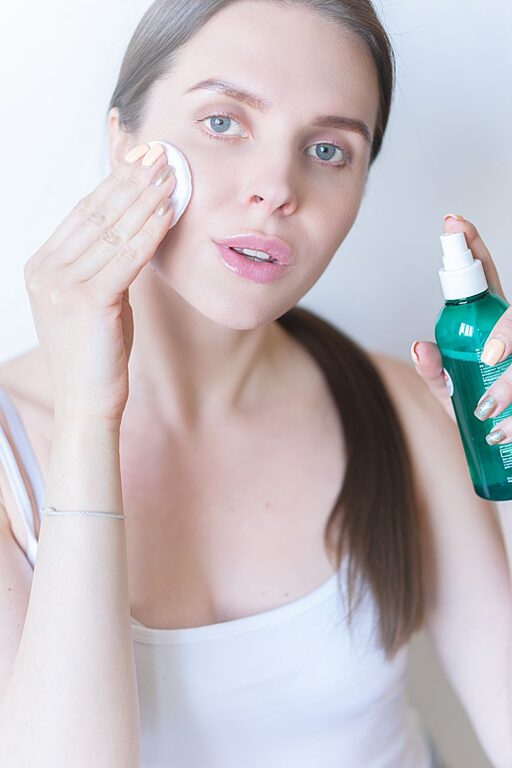
Starting a skincare routine can feel overwhelming with so many products and advice out there. But the good news is that you don’t need an elaborate or expensive process to take good care of your skin. A basic skincare routine focuses on cleansing, moisturizing, and protecting your skin, which are the foundation steps for healthy, glowing skin.
In this post, we’ll guide you through the essential steps to create a simple yet effective skincare routine that you can easily follow every day.
Your skin is your body’s largest organ and acts as a protective barrier against environmental damage, pollution, and germs. By following a consistent skincare routine, you can:
– Keep your skin clean and clear
– Maintain hydration and prevent dryness
– Protect against sun damage and premature aging
– Improve overall skin texture and appearance
Consistency is key. Even a simple routine performed daily can lead to noticeable benefits over time.
Before choosing products, it helps to identify your skin type. This will guide you in selecting cleansers, moisturizers, and other products that suit your skin’s needs.
The common skin types include:
– Normal: Balanced skin, not too oily or dry
– Oily: Skin produces excess oil and may appear shiny
– Dry: Skin feels tight, flaky, or rough
– Combination: Oily in some areas, dry in others (often T-zone is oily)
– Sensitive: Prone to redness, irritation, or reactions
You can determine your skin type by observing how your skin feels a few hours after cleansing without applying other products.
Cleansing removes dirt, oil, sweat, and makeup from your skin. This is the first and most important step.
– Use a gentle cleanser suited to your skin type.
– Avoid harsh soaps or cleansers with strong fragrances that can irritate the skin.
– Wash your face twice a day—once in the morning and once before bed.
– Use lukewarm water; hot water can strip natural oils and cause dryness.
– Gently pat your face dry with a clean towel; do not rub.
– If you wear makeup or sunscreen, consider double cleansing in the evening: first with an oil-based cleanser, then with a water-based one.
– Avoid over-cleansing, which can disrupt the skin’s natural barrier.
Moisturizing helps hydrate your skin and lock in moisture. It’s important for all skin types—even oily skin needs moisture.
– Choose a moisturizer formulated for your skin type.
– For dry skin, opt for cream-based, richer moisturizers.
– For oily or acne-prone skin, lightweight, oil-free, or gel moisturizers work best.
– Apply moisturizer after cleansing while your skin is still slightly damp.
– Don’t forget your neck and décolletage area.
– In winter or dry climates, you may need a heavier moisturizer.
– If you have oily skin, look for non-comedogenic products that won’t clog pores.
Protecting your skin from the sun’s ultraviolet (UV) rays is vital to prevent premature aging and reduce the risk of skin damage.
– Use a broad-spectrum sunscreen with at least SPF 30 daily, even on cloudy days.
– Apply sunscreen as the last step of your morning skincare routine.
– Reapply every two hours if you’re outdoors for extended periods.
– Don’t forget exposed areas like ears, neck, and hands.
– Some moisturizers come with sunscreen included for convenience.
– Wearing hats and sunglasses adds extra sun protection.
Once you have the basics down, you may want to add products based on your skin’s specific needs.
– Removes dead skin cells to brighten complexion.
– Use a gentle exfoliator 1-2 times per week.
– Avoid aggressive scrubbing which can irritate the skin.
– Concentrated formulas targeting concerns like dryness, dullness, or fine lines.
– Apply serums after cleansing and before moisturizing.
– Designed to hydrate delicate under-eye skin and reduce puffiness or dark circles.
Remember to introduce new products gradually and patch-test to avoid irritation.
Consistency is essential. Stick to your routine and be patient—it can take several weeks to see improvements.
– Always remove makeup before bed.
– Keep your hands and towels clean to avoid transferring bacteria to your face.
– Stay hydrated and maintain a healthy diet for overall skin health.
– If you experience persistent skin issues, consult a dermatologist for personalized advice.
Starting a basic skincare routine doesn’t need to be complicated or expensive. By focusing on cleansing, moisturizing, and sun protection, you’ll give your skin a strong foundation to stay healthy and radiant. Enjoy the process of caring for your skin—it’s a wonderful form of self-care!
