
 16 July 2026
 Share
Share
1
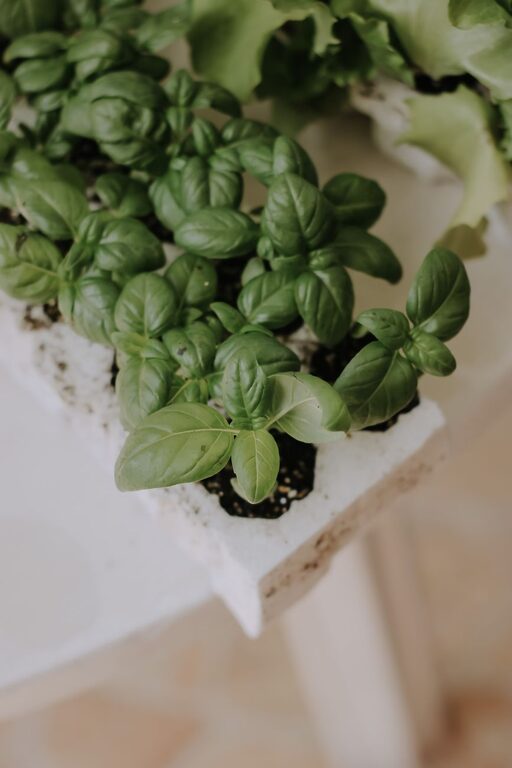
Growing a small herb garden indoors is a rewarding and practical way to bring fresh flavors into your kitchen all year round. Whether you have a sunny windowsill or a dedicated spot under grow lights, you don’t need a big yard or much experience to get started. This guide will walk you through everything you need to know to successfully start your indoor herb garden.
Indoor herb gardening offers many benefits:
– Freshness: Pick herbs as you need them, ensuring maximum flavor.
– Convenience: Have herbs close at hand while cooking.
– Space-saving: Ideal for apartments or homes without garden space.
– Year-round growth: Grow herbs continuously regardless of season.
– Air quality: Some herbs can help improve indoor air quality and add pleasant aromas.
Not all herbs thrive indoors equally. Choose varieties that are known to grow well inside, including:
– Basil: Loves warmth and sunshine.
– Parsley: Tolerant of moderate light.
– Chives: Easy to grow and maintain.
– Thyme: Requires less water and enjoys bright light.
– Mint: Grows vigorously but can spread quickly—consider a separate pot.
– Cilantro: Prefers cooler indoor temperatures.
Consider what you use most often in cooking and start with one or two herbs before expanding your collection.
Choose containers that:
– Have drainage holes to prevent waterlogging.
– Are the right size: about 4 to 6 inches deep is fine for most herbs.
– Match your indoor decor, if aesthetics matter to you.
You can use traditional pots, repurposed containers like mason jars (just add drainage), or small planters designed for windowsills.
Herbs need well-draining soil. Use a high-quality potting mix formulated for herbs or indoor plants. Avoid garden soil, which can be too dense and may carry pests or diseases.
For better drainage, you can mix in some perlite or sand.
Light is crucial for indoor herbs. Most herbs need 6-8 hours of bright, indirect sunlight daily. Here are some tips:
– Place your containers near a south or west-facing window.
– If natural light is limited, consider using a grow light with a timer to provide 12-16 hours of light.
– Rotate plants every few days to ensure even growth.
Proper watering is key to keeping herbs healthy:
– Water when the top inch of soil feels dry.
– Avoid overwatering, which can cause root rot.
– Water thoroughly so excess drains out of the bottom.
– Use room temperature water to avoid shocking the roots.
Herbs don’t require heavy feeding. Use a balanced, water-soluble fertilizer every 4-6 weeks during the growing season. Follow package instructions and avoid over-fertilizing, which can reduce flavor intensity.
Regular trimming encourages bushier, healthier plants:
– Pinch off leaves or stems frequently to promote new growth.
– Harvest the top few leaves or stems rather than cutting the entire plant.
– Avoid removing more than one-third of any herb at a time.
Indoor herbs are less prone to pests but watch for:
– Aphids
– Spider mites
– Fungus gnats
Use gentle, natural remedies like insecticidal soap or neem oil if necessary. Ensure good air circulation and avoid overwatering to prevent problems.
– Leggy plants: Usually caused by insufficient light. Move closer to a window or add a grow light.
– Yellow leaves: May indicate overwatering or nutrient deficiency.
– Slow growth: Could be due to lack of light, poor soil, or temperature stress.
– Wilting: Typically from improper watering—either too much or too little.
– Start small and gradually add more plants.
– Label your herbs to keep track of different varieties.
– Keep a small notebook for notes on watering, fertilizing, and harvesting.
– Rotate herbs that prefer different conditions to optimize growth.
Starting a small herb garden indoors is an enjoyable and practical way to enhance your cooking and living space. With the right herbs, containers, care, and attention to light and watering, you can enjoy fresh herbs year-round right from your home. Whether you’re a complete beginner or an experienced gardener, indoor herb gardening offers a rewarding connection to nature and flavor.
Happy gardening!
